
Dyson
Dyson
Sixty years of Dyson engineering, under one roof, and the practice Enki is built on.
Invented at Dyson. Proven at scale. Carried into Enki.
Role · Senior design engineers and named inventors
Sector · Floorcare, environmental, haircare, audio, hand drying
Scope · New category creation, patents, mass production
Engagement · Past career experience, over sixty combined years
01
The breadth
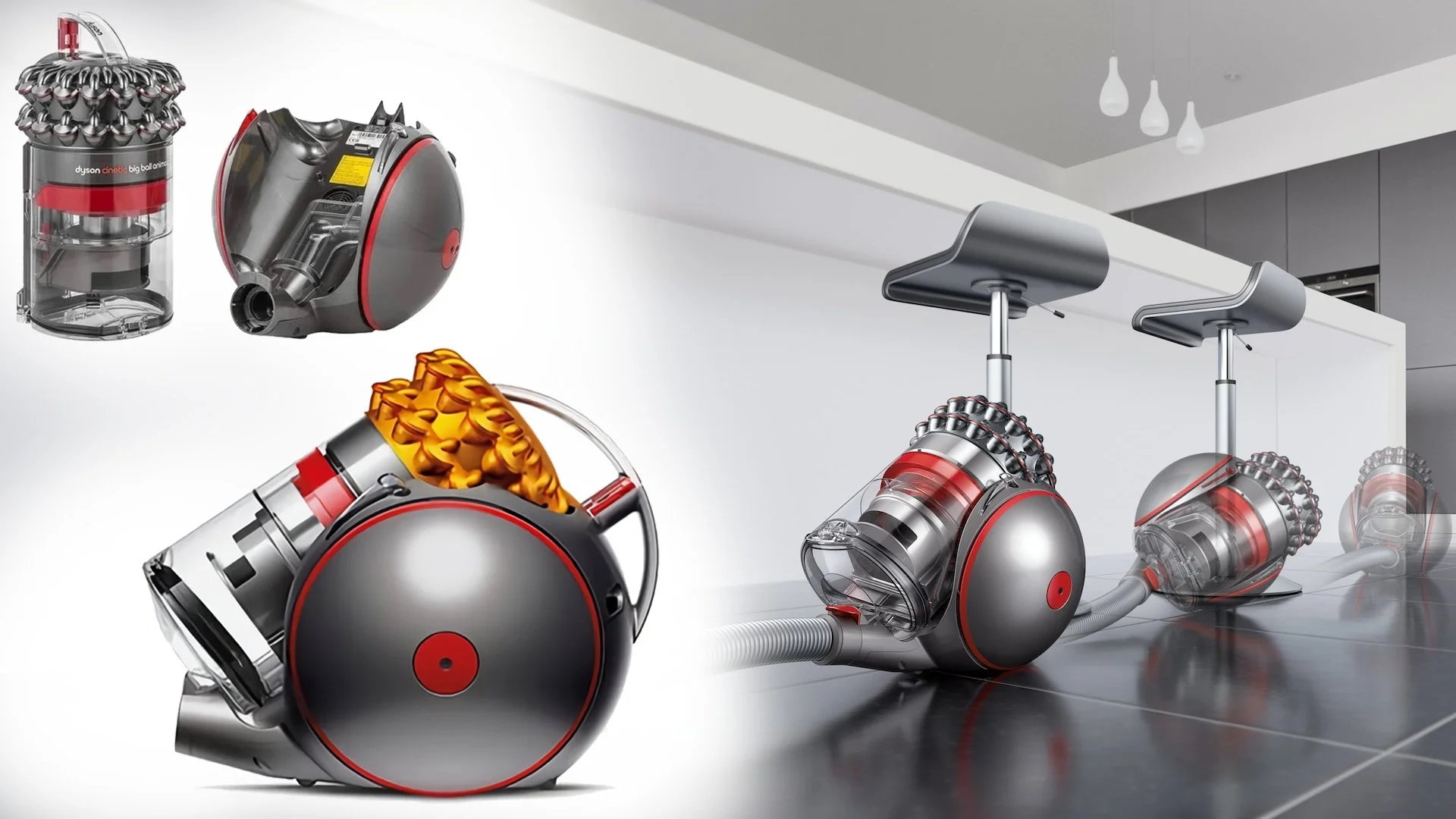
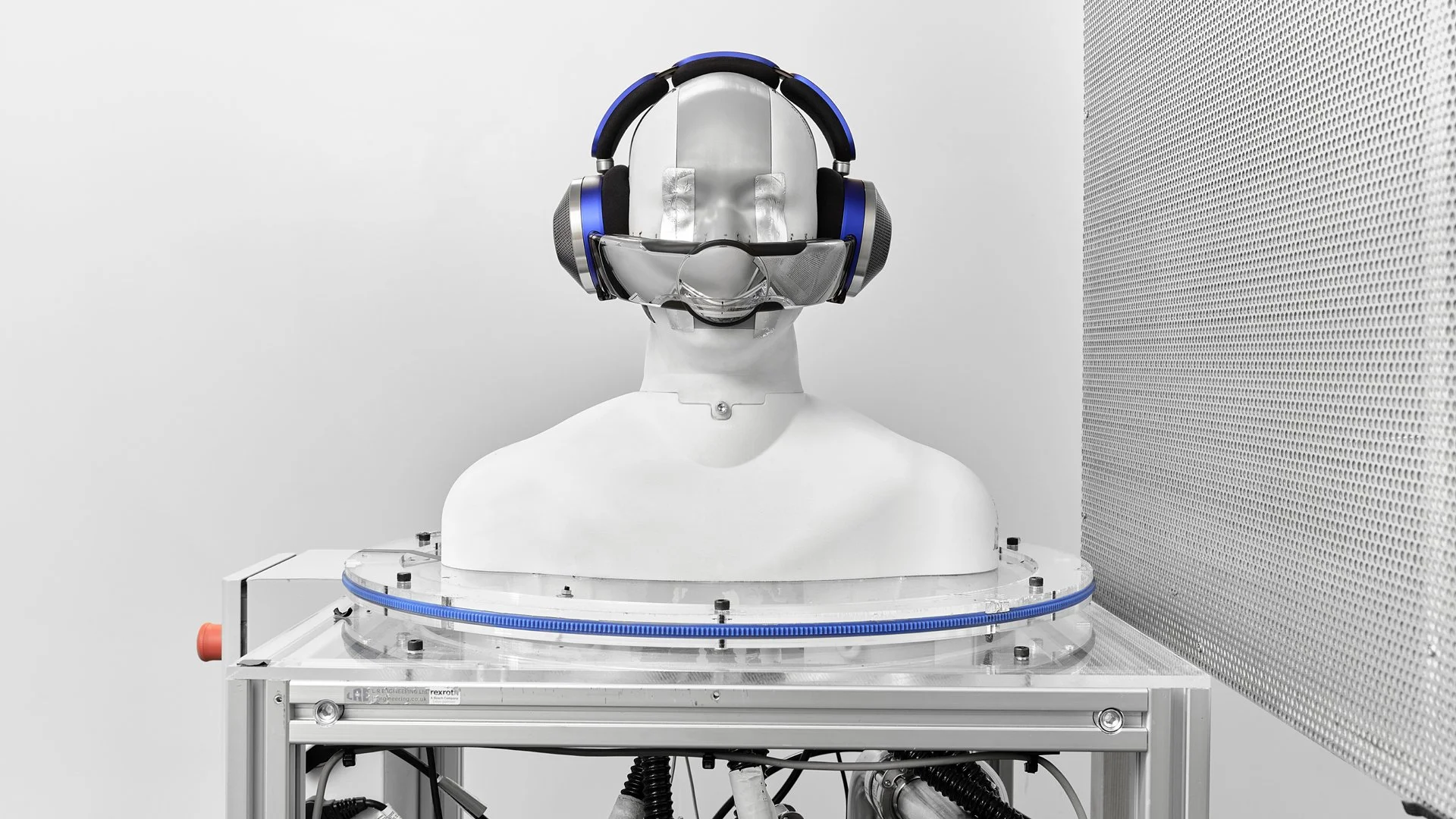
Dyson does not let its engineers specialise in one thing for long. The team that became Enki worked through that breadth on purpose. Core members developed the Big Ball Kinetic cylinder vacuum, owned the wet and dry cleaner launches from concept through tooling into mass production, and built the engineering behind the Air Multiplier bladeless fan platform.
Big Ball Kinetic cylinder vacuum
Wet and dry floorcare launches
Air Multiplier bladeless fan platform
Zonal Purification test methodology
Dyson Airblade and Airblade Tap
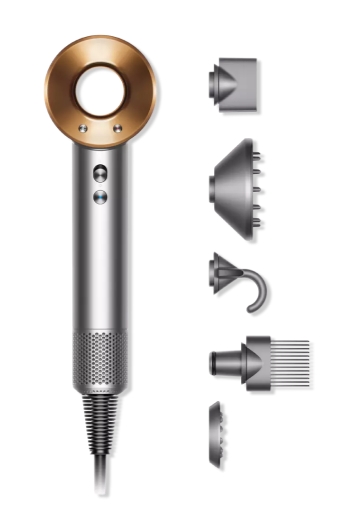
Haircare built from zero heritage
The innovation
02
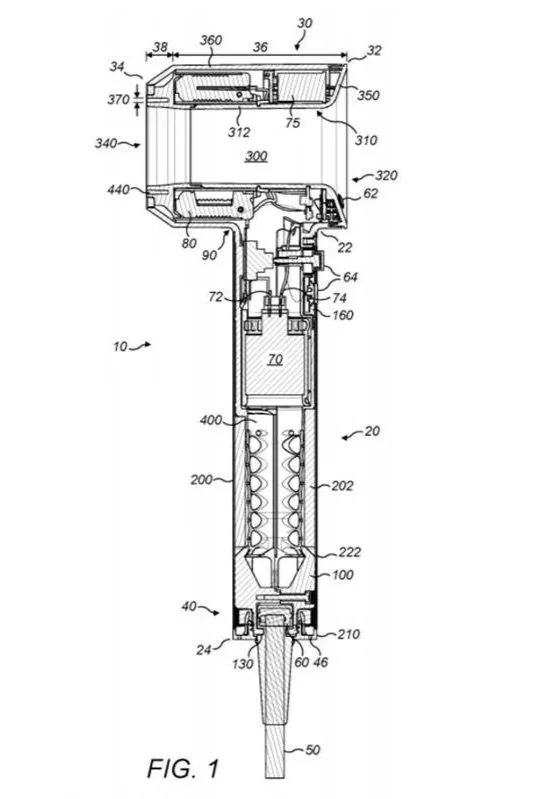
Dyson is a patent heavy business because Dyson is an integration heavy business. The team that became Enki carries a meaningful share of that record. Members are named inventors on patents covering Air Multiplier fan technology, the Airwrap styling tool, the Corrale straightener, and multiple haircare and kitchen innovations. Each one protects a product still generating revenue today.
Named inventors on the Dyson Airwrap
Named inventors on the Corrale straightener
Air Multiplier fan technology patents
Haircare and kitchen product patents
Delivery efficiency raised from 30 to over 99 percent
Machines shipped by the million
The discipline
03
Dyson runs one of the most demanding stage gate processes in consumer products. Evidence is expected at every review, shortcuts are not tolerated, and the standard of proof for a shipping decision is absolute. That produced engineers who find problems early, prove solutions with evidence, and develop mechanical, electrical, thermal and aesthetic systems as one thing.
Risk found early, while it is cheap to fix
Evidence at every stage gate
Integration ahead of bolt on assembly
Tolerance stacks and supplier qualification
DFM from day one, not a late checkbox
Designs that survive a 50,000 unit run

04
Our role
The people who now form Enki's extended team are named inventors on some of the most recognisable consumer products of the last decade. They set up new categories from blank briefs, filed the patents that protect those products today, and shipped machines by the million. When Enki promises product leadership from concept to manufacture, this is the body of work that promise rests on.
“Dyson is where we learned that integration is the real craft. You can invent anything you like, but if it does not sit inside the system, the user never feels it. Everything we do at Enki starts from that lesson.”
Ben Jones, Founder, Enki Product Development
New category creation
Patent filing and IP strategy
Concept to mass production
Systems integration
Design for manufacture
Stage gate programme management