Choose the Right Concept Before you Engineer it
Explore broadly. Converge decisively. Build with conviction.
Concept Development
Concept Development
Choose the Right Concept Before you Engineer it
“Enki have been fantastic to work with. Fast, diligent, and very pleasant throughout the process. Most importantly, patient considering I’ve never developed hardware before. They've made a complex process approachable and always kept things moving. Highly recommend!”


Reed Rosenberg | Founder at Cura
What we do
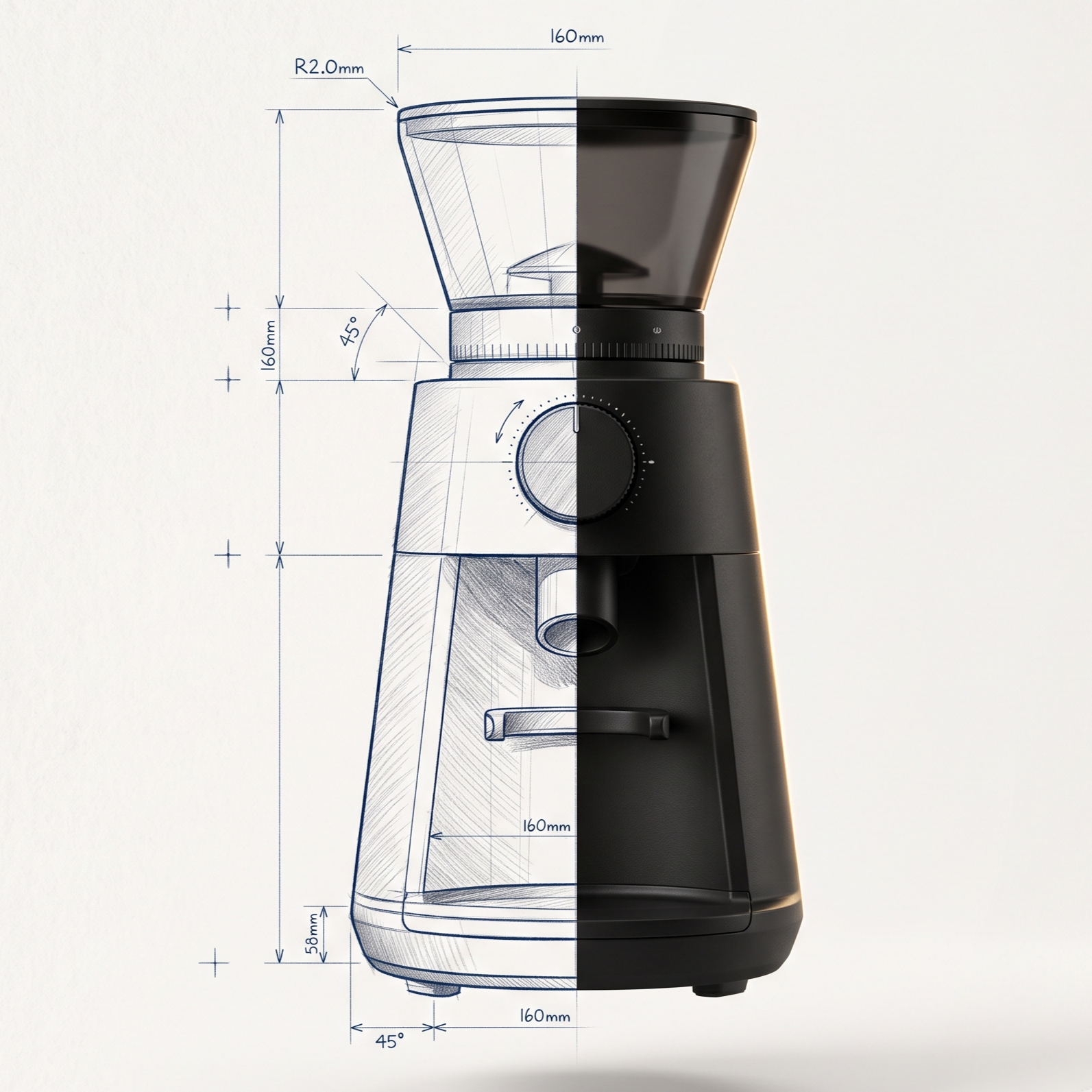
Concept Design & Sketching
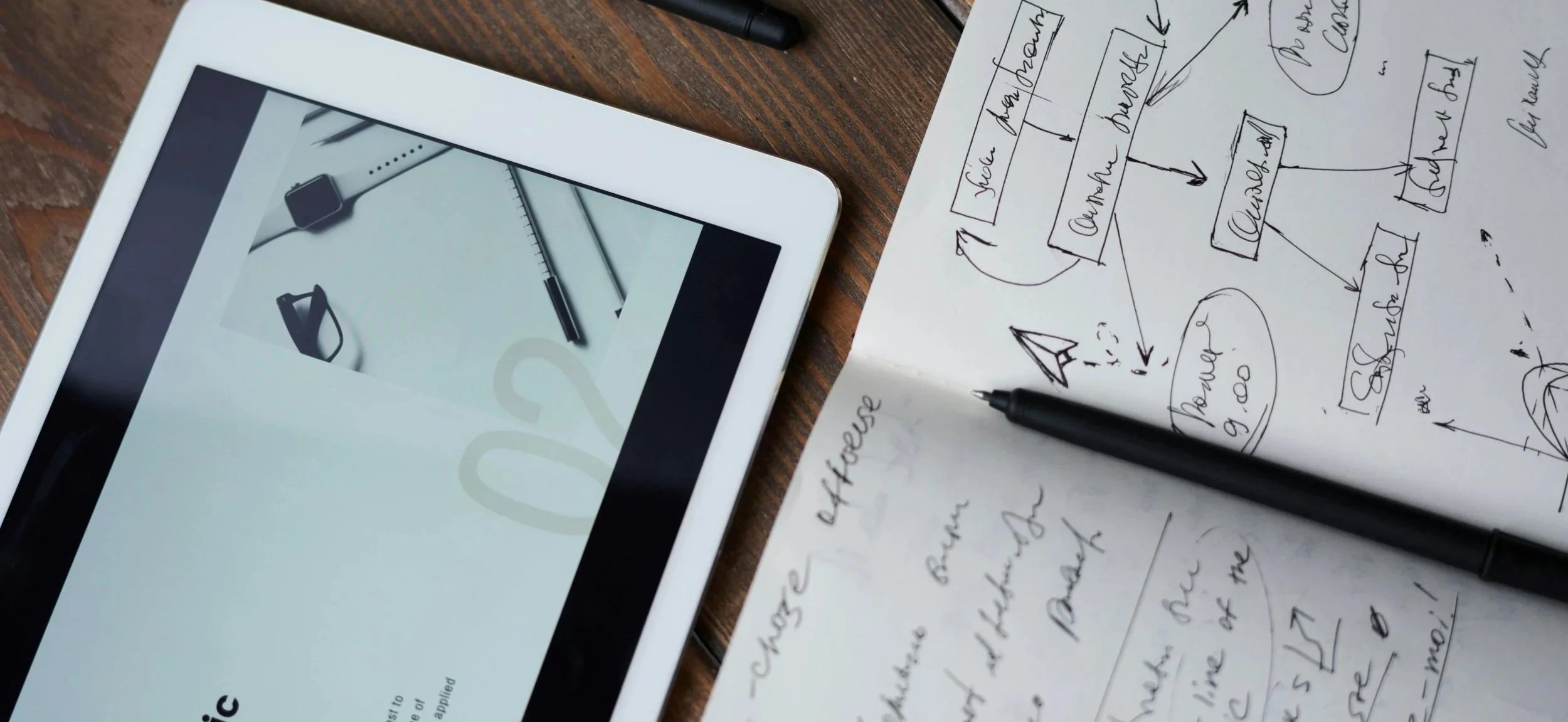
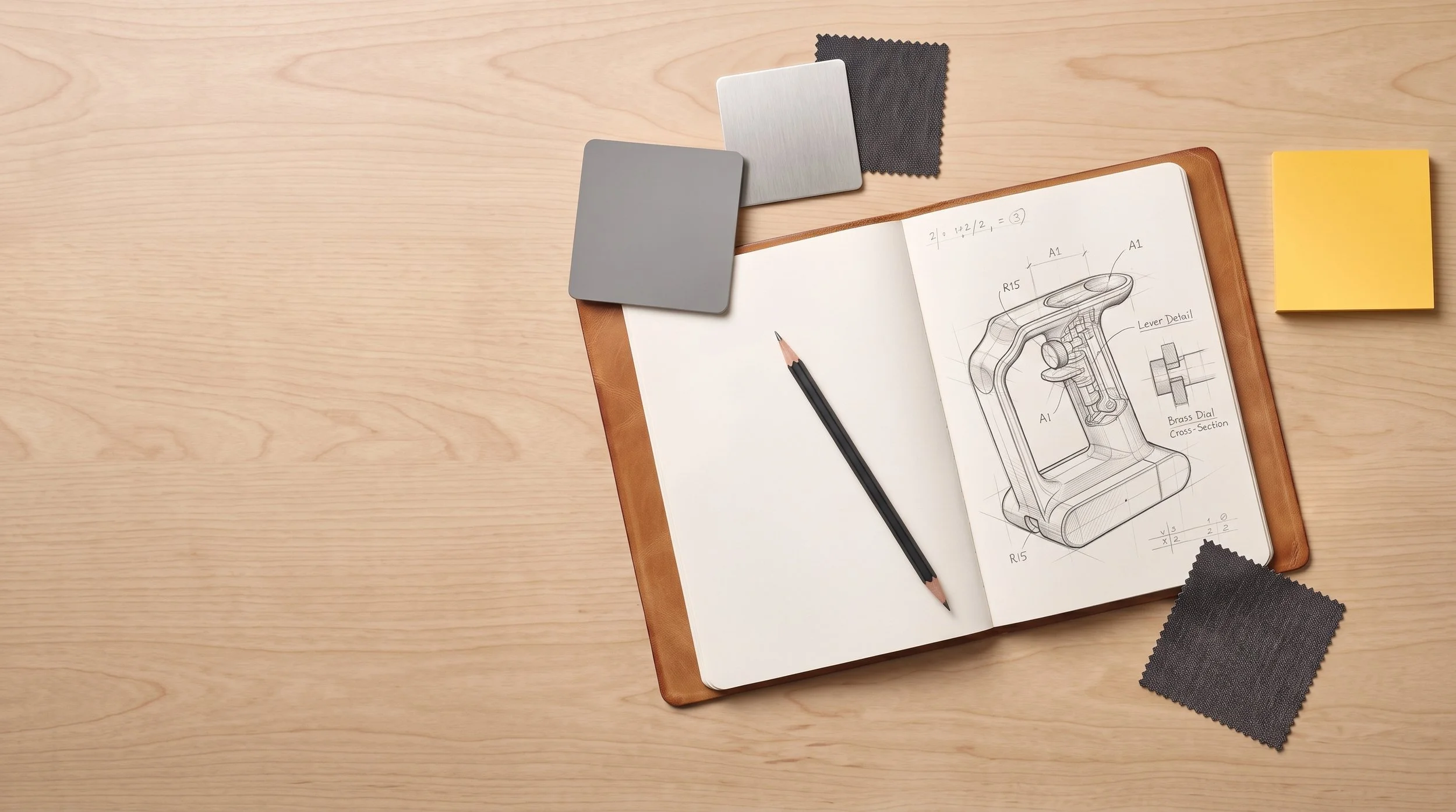
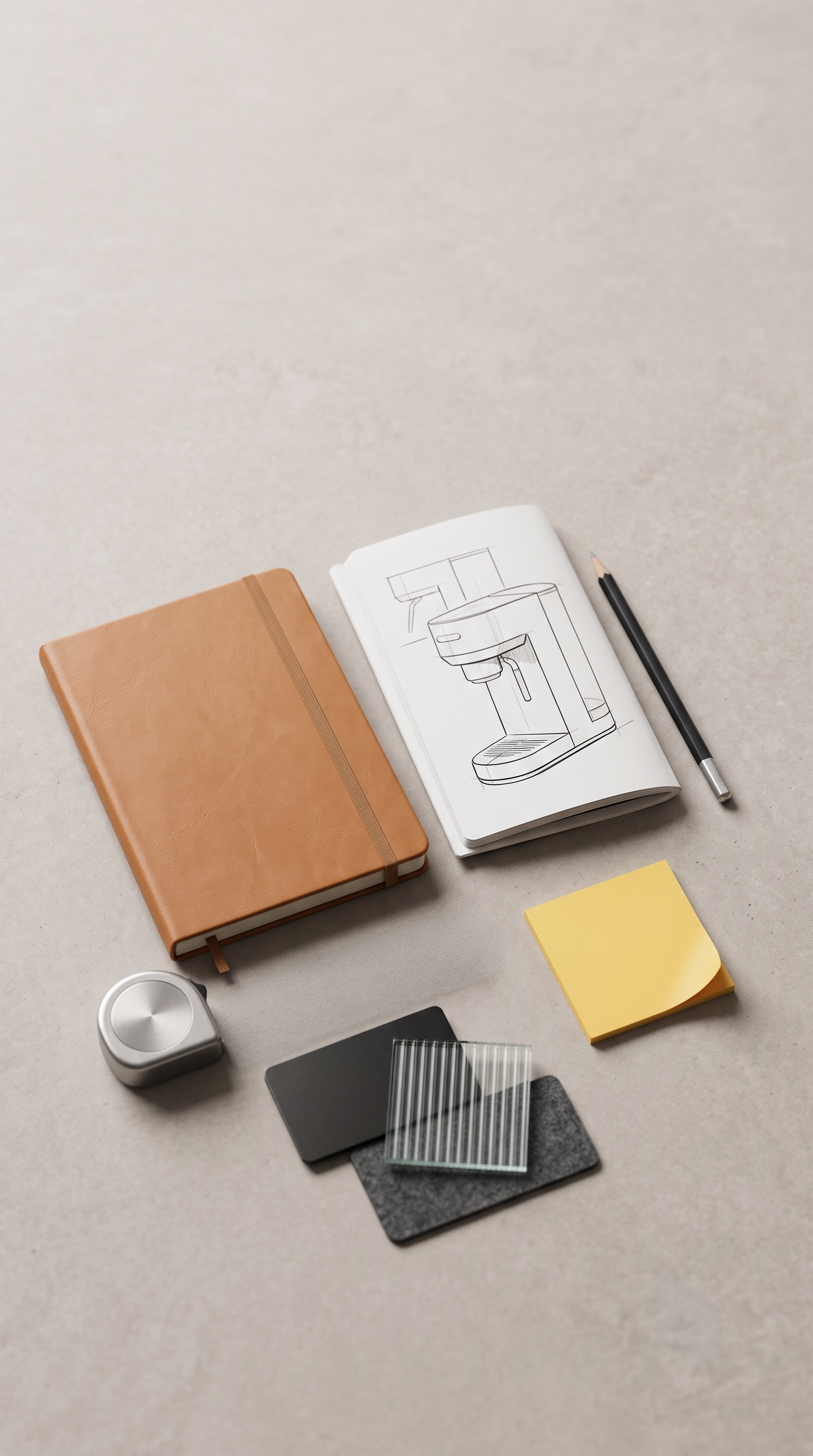
We explore multiple design directions through hand sketches, digital concepts and early 3D CAD, testing form, function and feasibility before anything is committed.
Fundamental Rigs and Validation
Where risk needs reducing early, we build fundamental rigs: focused prototypes designed to prove specific elements of the concept before full development begins. This catches problems when they cost hundreds, not tens of thousands.
Concept Selection
With the field narrowed, we bring the evidence together - cost, feasibility, and how it lands with the people you're building for. We then choose the concept to carry forward. Everything else is set aside, deliberately, before engineering begins.
Why it matters

Most of your final product cost is locked in at concept stage, long before a production drawing exists
Products come apart for a small number of reasons, and they repeat. The market wasn't there. The pricing was wrong. Or the technology chosen at the outset could never deliver what the product promised.
Founders usually arrive with conviction, and that conviction is valuable. Testing it is what protects it. The technology risk is the most expensive of the three, because it doesn't surface in week two. It surfaces nine months later in detailed engineering, when the cost is already committed and the only options left are compromise the product or start again. Our engineers spent their careers at Dyson making these calls. Our job isn't to challenge your vision, it's to make sure the evidence supports it before the real spending starts.
Most of your final product cost is locked in at concept stage, long before a production drawing exists.
How We Work
01
Explore the space
We generate multiple concept directions rather than presenting one and defending it. Each is assessed against your commercial goals, your manufacturing constraints and what your customer actually needs.
02
Choose with the trade-offs visible.
Every direction comes with its consequences stated: what it costs, what it risks, what it rules out later. You make the call with the full picture, and we don't move forward until the direction is agreed, understood and commercially sound.
03
Validate before you invest
Where the concept carries technical risk, we build fundamental rigs to test the specific elements that worry us: mechanisms, materials, tolerances. You see the concept work before committing to full engineering.
Frequently Asked Questions
-
Concept development defines what you're going to build. Full product design and engineering makes it manufacturable. Think of concept as the architectural drawings — essential, but not the same as building the house. We offer both as part of the full 5D journey, or as standalone phases.
-
Typically three to five initial directions, narrowed to one refined concept through structured evaluation. We don't present fifty loose sketches — we present considered options with clear reasoning behind each one.
-
A fundamental rig is a focused prototype built to test a specific element of the concept — a mechanism, a material behaviour, a structural assumption. It's not a complete product prototype. It's a targeted experiment to reduce risk before full development starts.
-
Yes, and many clients start here. A defined concept with a validated brief and clear cost estimate is valuable on its own — even if you take it elsewhere for engineering. That said, most clients continue with us because the same team that shaped the concept also engineers it, which eliminates the translation losses that happen when you hand a brief to a new team.