Prototyping
Prototyping
Hold it. Test it. Break it. Fix it. Then build it.
Hold it. Test it. Break it. Fix it. Then build it.
We build prototypes that answer the questions that matter: does it work, can it be made, will your customer want it?
“A prototype answers questions a screen cannot. You find out how it feels, how it fails and what you missed.”
Ben Jones | Founder, Enki

What we do
Fundamental Rigs
Focused builds that test a single element: a mechanism, a material, a structural assumption. Fast, low cost, and built to answer one question before full development begins.
Integrated Prototypes
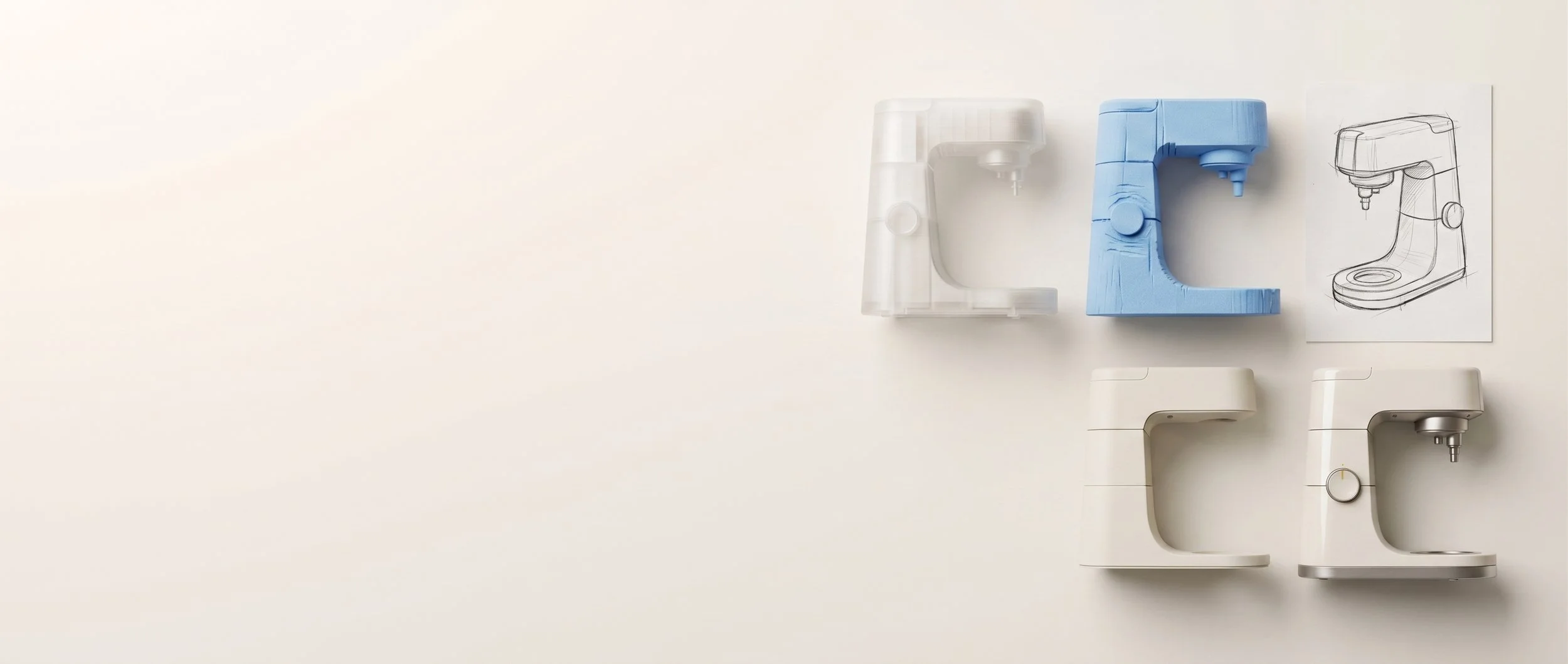
Fully assembled working models bringing together multiple components, materials and systems. Used for functional testing, user evaluation and investor demonstrations, where a founder needs something that works in someone else's hands.
Pre-production Samples
High fidelity prototypes that replicate the final manufactured product. Used for final validation, compliance testing and factory communication before tooling investment.
Why it matters
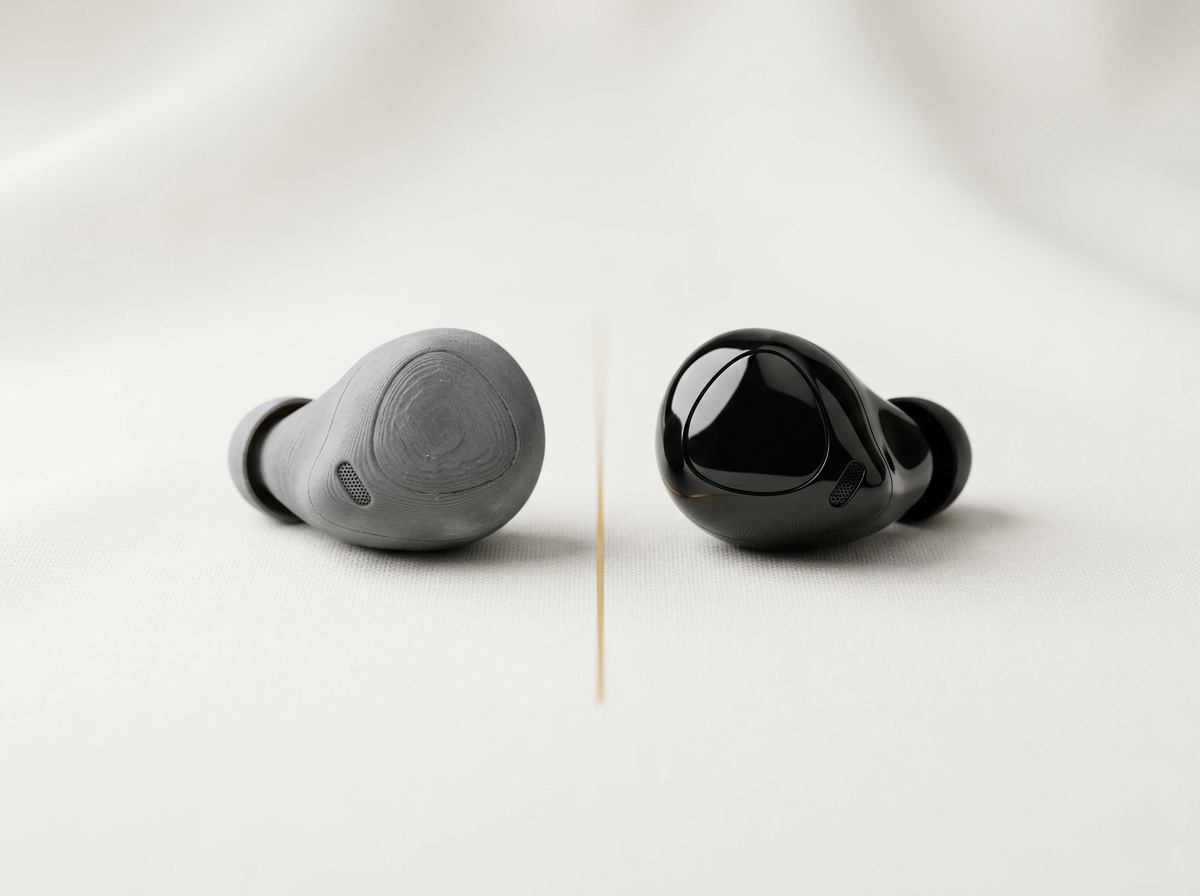
A problem found in prototyping costs hundreds to fix. The same problem found after tooling costs thousands.
Skipping prototyping to save time is one of the more expensive decisions a founder can make. The weeks saved at the start come back as months of tooling rework when the product does not perform as expected.
Prototyping is the fastest and cheapest way to find problems, and the only way to find the ones CAD cannot predict. Mechanisms bind. Materials behave differently at scale. User interactions reveal issues that no amount of screen time will surface.
We prototype at every stage of development, because confidence at the factory gate is built through physical validation, not assumptions.
A problem found in prototyping costs hundreds to fix. The same problem found after tooling costs thousands.

How We Work
01
Decide what needs proving
Before building anything, we identify the key risks and unknowns. What needs validating? A mechanism, a material, a user interaction, a manufacturing approach? The prototype is designed to answer specific questions, not just look impressive.
02
Build fast, learn fast
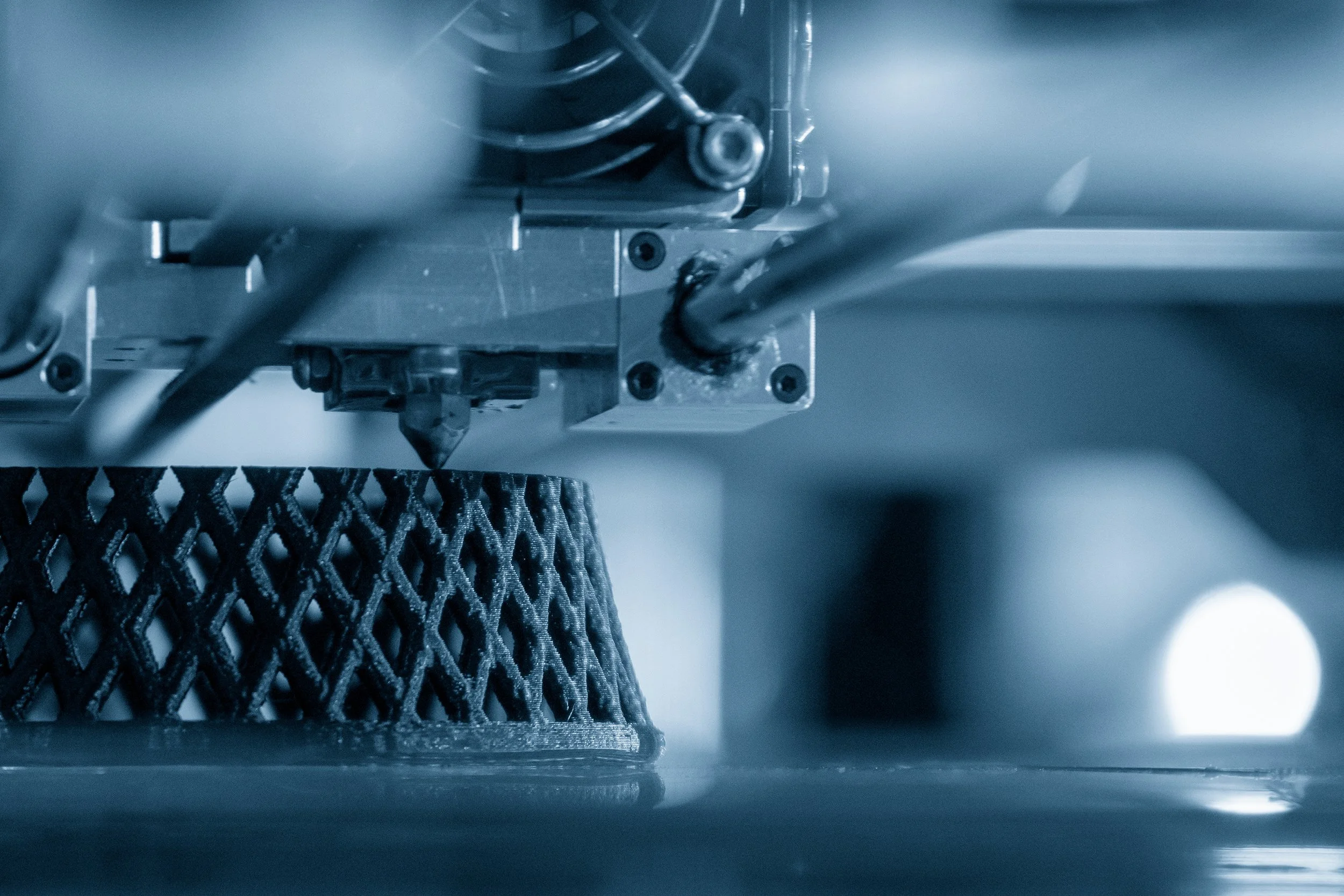
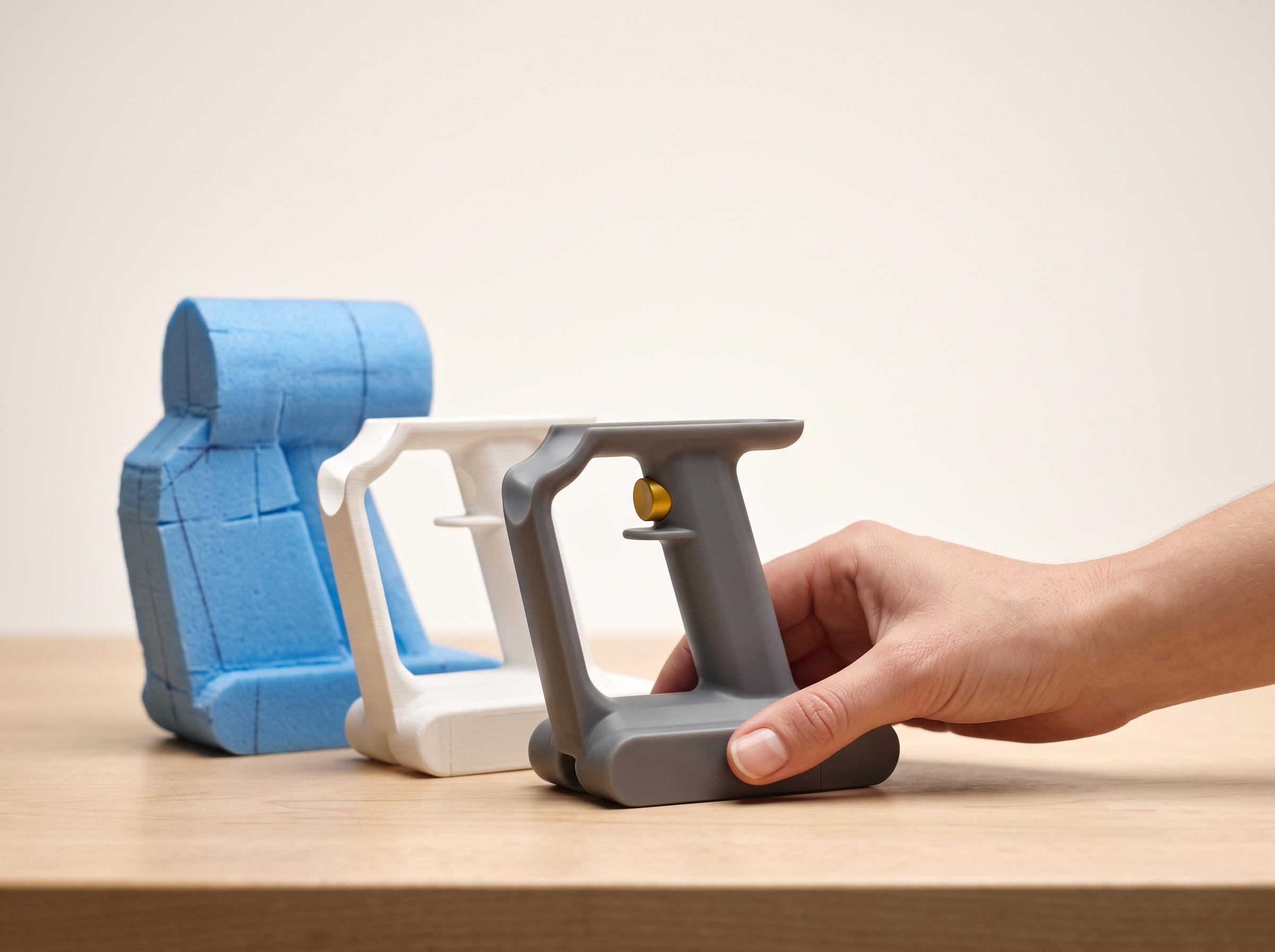
We pick the method that answers the question quickest: 3D printing, laser cutting, CNC machining or hand fabrication. The faster a physical part is in your hands, the faster we know what needs changing.
03
Test, refine, repeat
Prototypes are evaluated against the product requirements. What works, what does not, what needs adjusting. Findings feed straight back into engineering, and we iterate until the product is validated and ready for tooling.
Our Methods
-
FDM for quick concept validation. SLA for high-detail parts and smooth finishes. SLS for functional, durable prototypes. We select the method based on what the prototype needs to prove weather it be speed, accuracy, or material performance.
-
Precision flat-profile parts for mechanisms, enclosures, and jigs. Fast turnaround, tight tolerances, and a range of materials from acrylic to sheet metal.
-
Production-grade prototype parts in final materials. Used when the prototype needs to replicate the exact properties of the manufactured part strength, weight, surface finish.
-
For complex assemblies, mixed-material prototypes, or one-off models that can't be produced by a single digital method. Our workshop handles everything from foam models to fully functional assemblies.
-
Depends on complexity. A simple 3D printed concept model can be in your hands within 3-5 days. A fully integrated functional prototype typically takes 2-4 weeks. Pre-production samples that replicate the final manufactured product can take 4-8 weeks depending on material and process requirements.
-
A rough proof-of-concept rig might cost a few hundred pounds. A high-fidelity pre-production prototype with multiple components can run into several thousand. We always quote prototyping as part of the project scope so there are no surprises.
-
Absolutely — and many of our clients do. We build prototypes specifically for investment pitches when needed, balancing visual quality with functional demonstration. A physical prototype is worth more than any slide deck when you're asking someone for money.
-
The majority of our prototyping is done in-house — 3D printing, laser cutting, hand fabrication, and assembly. For specialist processes (CNC machining in specific metals, soft tooling), we work with trusted partners and manage the process end to end.
Frequently Asked Questions