
Lightacles
Lightacles
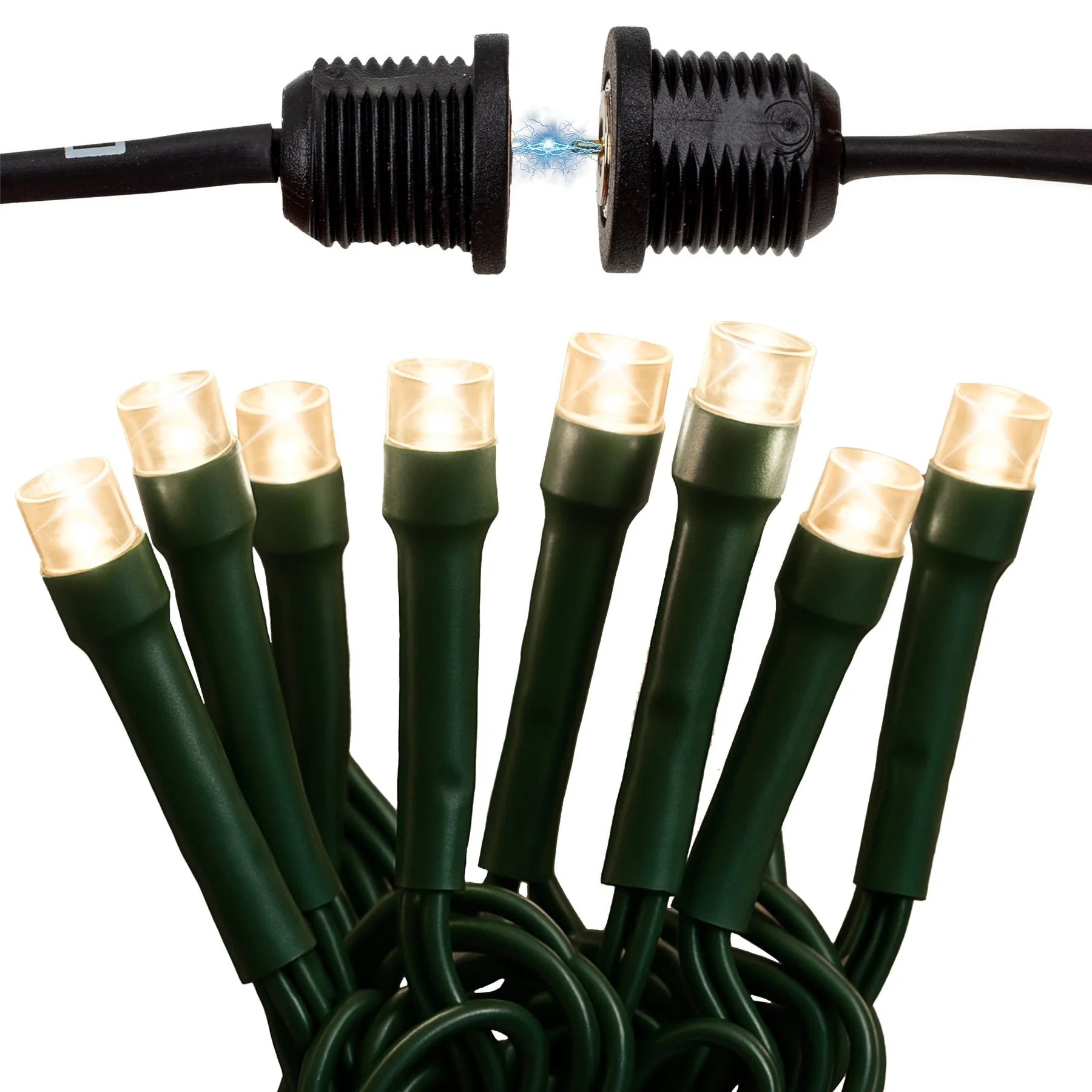
String lights that extend by clicking strands together, not threading connectors.
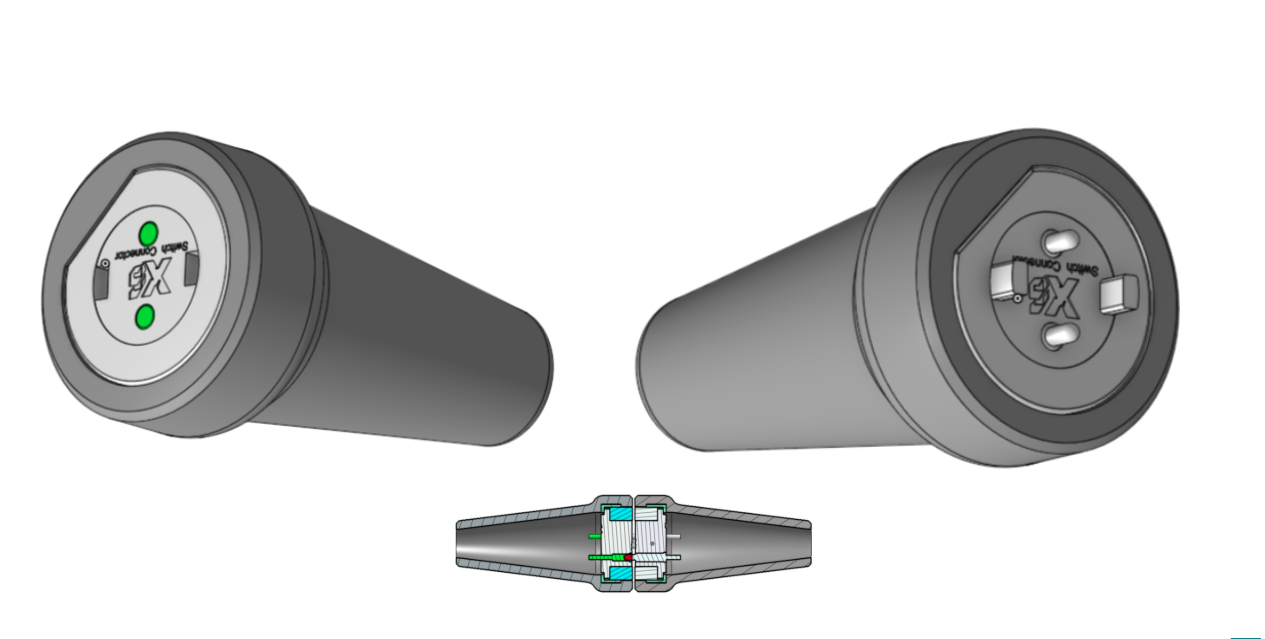
Light, connected by magnet.

Client · Lightacles, delivered through Gembah
Sector · Consumer lighting
Services · Electrical architecture, connector specification, schematic
Engagement · One week focused advisory
01
The challenge
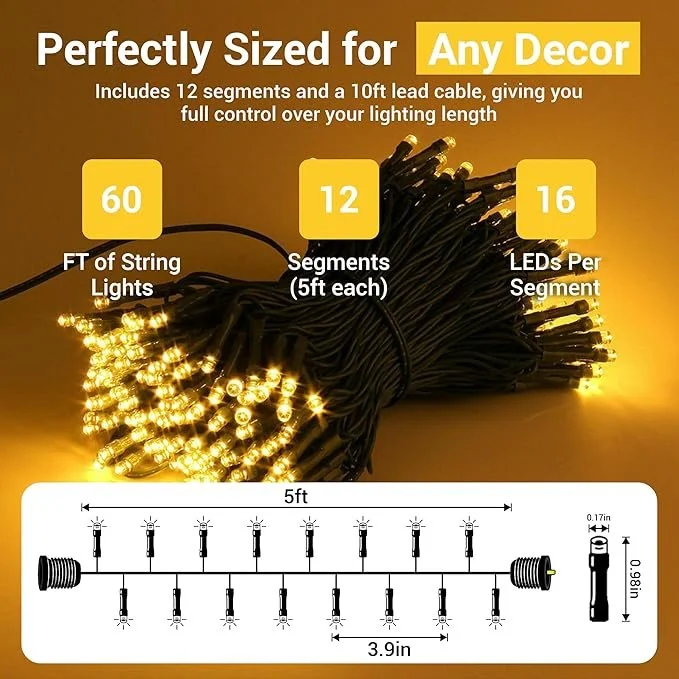
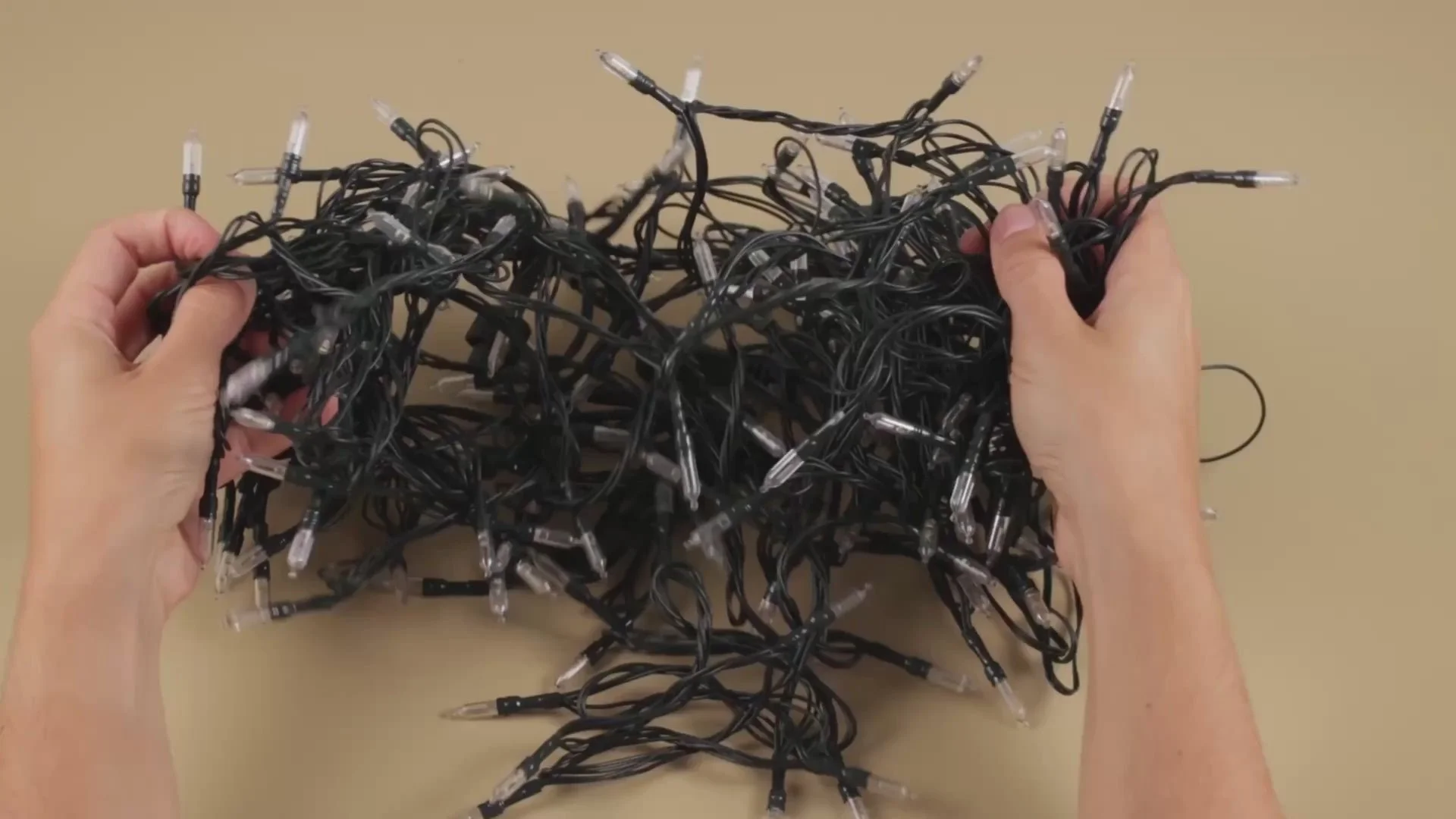
Traditional indoor string lights are sold in fixed lengths because of how the electrics work. The lights run as banks of parallel LEDs in a series circuit, with flashing controlled by switching voltage polarity, and that architecture cannot be cut or extended without breaking the circuit.
Daisy chainable indoor lights
Magnetic connectors handling continuity
Off the shelf components where possible
A consumer price band, not architectural
UL listing for the US market
Fault and tampering scenarios designed for
The approach
02
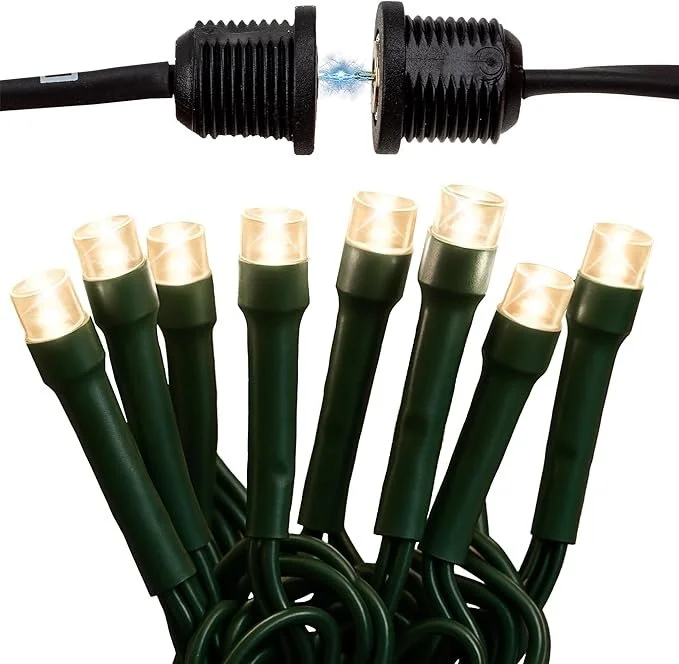
The architecture moves the lights from a series circuit to a re spliced series in parallel arrangement that supports extension through a magnetic splice without breaking the chain. Each segment is terminated at both ends with a magnetic connector that polarity aligns automatically when two strands click together.
Series in parallel re splice
A magnetic splice between segments
Automatic polarity alignment
Segment count bounded by the transformer
A low voltage consumer standard
An end cap closing the loop
The outcome
03
Component selection prioritised existing platform parts: an off the shelf transformer, standard LED banks and a magnetic connector pulled from established consumer electronics catalogues. The factory works directly with the customer rather than through a separate contract manufacturer, which kept the deliverable focused on what the manufacturer needed to quote against.
Deliverable scoped to quoting
Provisional utility patent filed
Design patent filed
Off the shelf transformer
Standard LED banks
Catalogue magnetic connector
04
Our role
Enki provided design and engineering advisory to Lightacles, delivered through Gembah, focused on the electrical architecture and the magnetic connector specification rather than full industrial design. Scope covered the splice strategy, transformer voltage planning, the component schematic and off the shelf component selection.
“A schematic that lets a factory quote correctly is worth more than a deck full of renders.”
Ben Jones, Founder, Enki Product Development
Splice strategy
Transformer voltage planning
Component schematic
Off the shelf component selection
One week of engineering time
Scope scaled to the brief