
Noshinku Canister Redesign Product Quality and Finish
A Sanitiser, Reconsidered
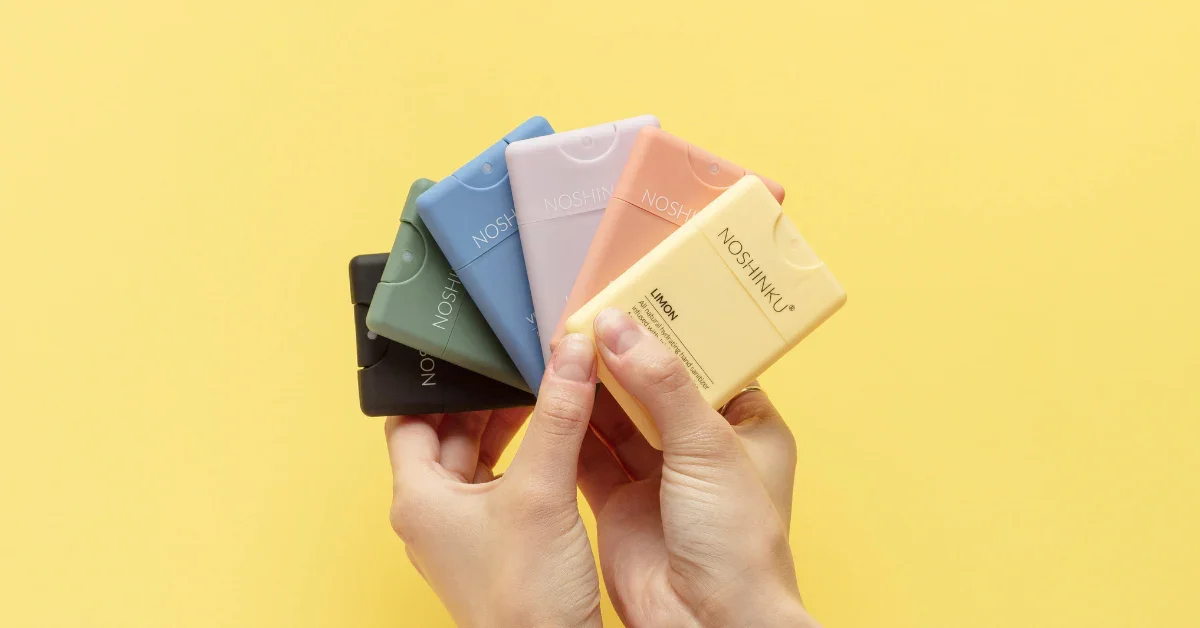
The Noshinku Sanitiser is a refillable pocket-sized hand sanitiser, designed to replace the disposable plastic bottles that filled bags and counters during the pandemic and never really left. The brief came to Enki through Gembah from Noshinku, an established direct-to-consumer brand, asking for a redesign of the existing generation sanitiser to bring the manufacturing tolerances under control, refine the cap mechanism, and update the form for a CMF-led re-launch. Enki took the existing tech package as the baseline and rebuilt the design around tighter tolerances, a snap-cap that survives daily abuse, updated surface modeling to improve visual look and a fill-plug that does not leak in a handbag.
The challenge
A Refillable Object That Has To Earn Its Place
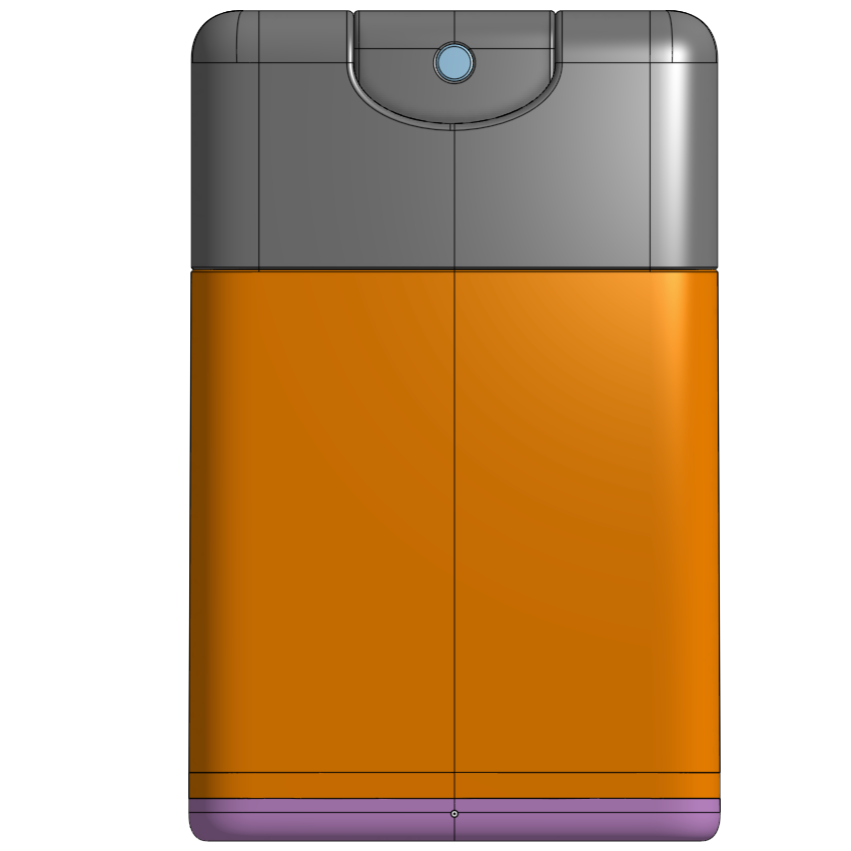
The disposable hand sanitiser bottle is one of the most successful product formats of the last decade, with billions of units sold. The refillable version has a harder commercial argument: the user has to remember to refill it, carry the gel in a separate bottle, and trust that the seal will hold up to a tossed handbag. Noshinku had built a brand that solved the trust problem with premium materials and a refill subscription, but the underlying object needed work. The existing generation had a snap cap with insufficient engagement, a fill plug that flexed under pressure, a casing that betrayed its tooling lines, and a CMF that fell behind the brand's marketing. The brief asked for a tolerance-tightened redesign that the contract manufacturer could produce reliably, with every fit feature dimensioned, every silicone overmould specified and every part drawing pack compiled.
The solution
The Snap Cap and the Fill Plug
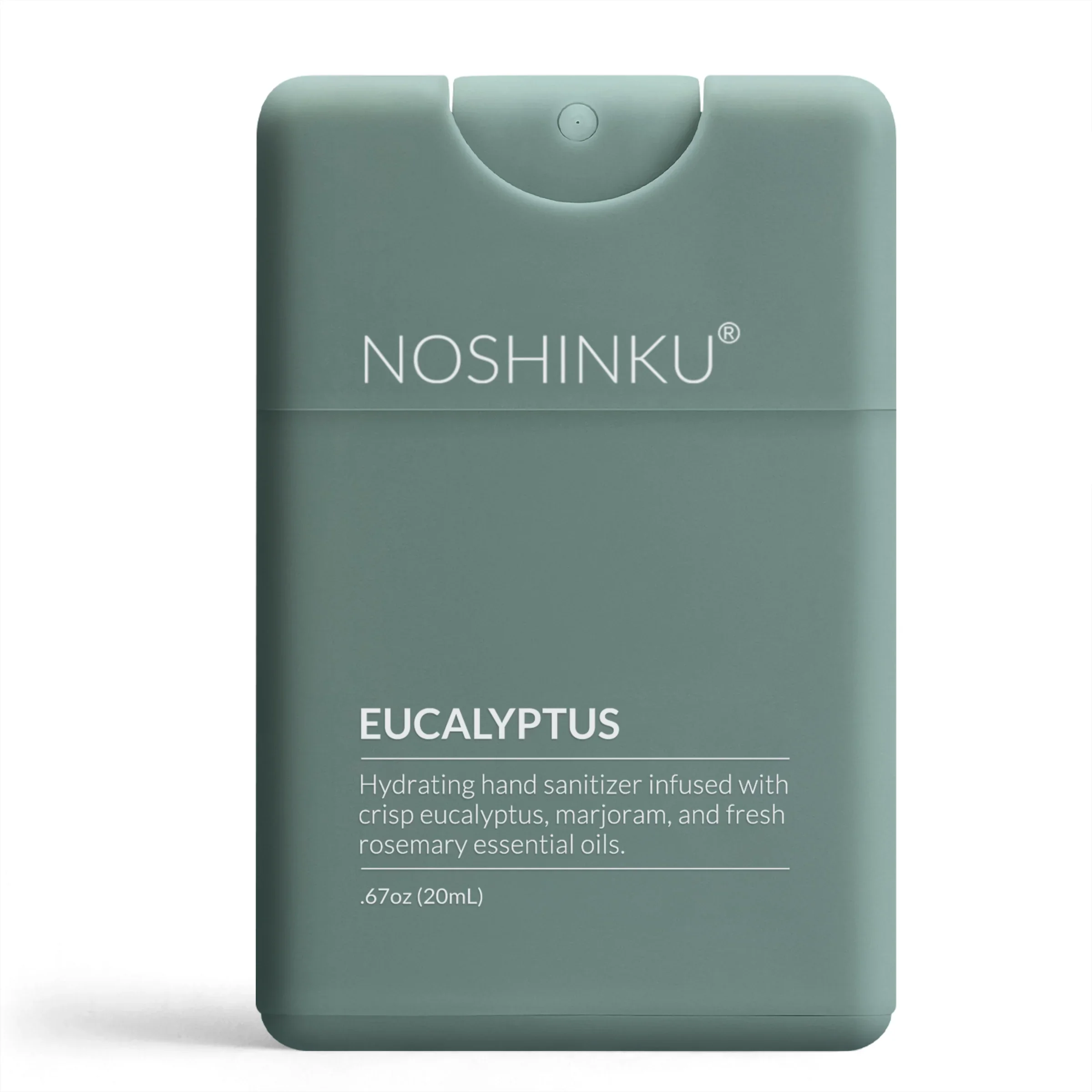
The redesign rebuilds two sub-systems: the Snap Cap and the Fill Plug. The Snap Cap is a single-piece moulding with engagement features but suffered with deburred and broken sharp edges throughout. The cap clicks home at a tactile threshold that the user can feel through a coat pocket, and the geometry holds the cap retained against the casing without the play that the previous generation suffered. The Fill Plug is a Silicone injection-moulded part with a tapered profile that seals against the mouth in the casing, with two reference radii holding the seal under pressure without tearing on insertion. The Main Casing is a single-shot injection moulding in a brand-aligned colourway, with the parting line moved to a position where it disappears under the user's grip. Tolerances were defined to a four-thousandths of an inch (0.1mm) standard across every interface, so the contract manufacturer could quote with confidence and the production run would not produce the variation that the previous generation had suffered.
The outcome
What it achieved
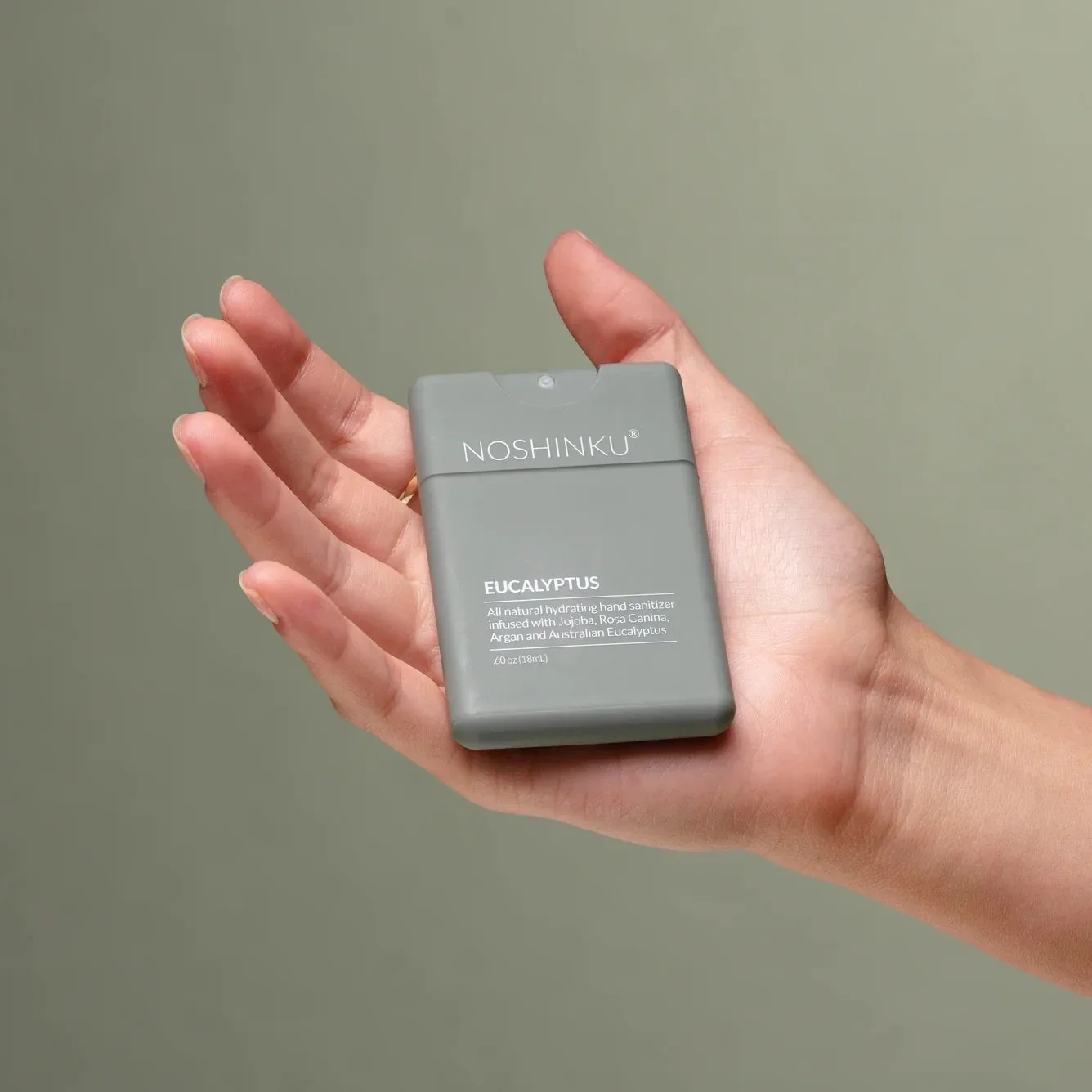
Enki led the redesign and engineering of the Noshinku Sanitiser, delivered through Gembah, taking the existing tech package and rebuilding the cap and plug architectures while preserving the brand's existing tooling investment on mechanical parts whilst redesigning the exterior with G3 surfaced components to improve the product visual. The Scope covered tolerance review across all components, snap cap re-engineering, fill plug seal design, casing surface finish standardisation, and a complete drawing pack ready for the factory. The programme is a clear example of Enki's strength on engineering-led redesigns: the brief was not industrial design, it was getting an existing object to behave reliably at scale.
“The hardest engagements are the ones where the design is already on shelf. You have to improve the object without disrupting the brand.”
- Ben Jones, Founder, Enki Product Development.